

Mobile App Development Process: From Idea to App Store
Follow the full journey of building a mobile app: discovery, design, development, testing, launch and updates, with what to expect at each step.
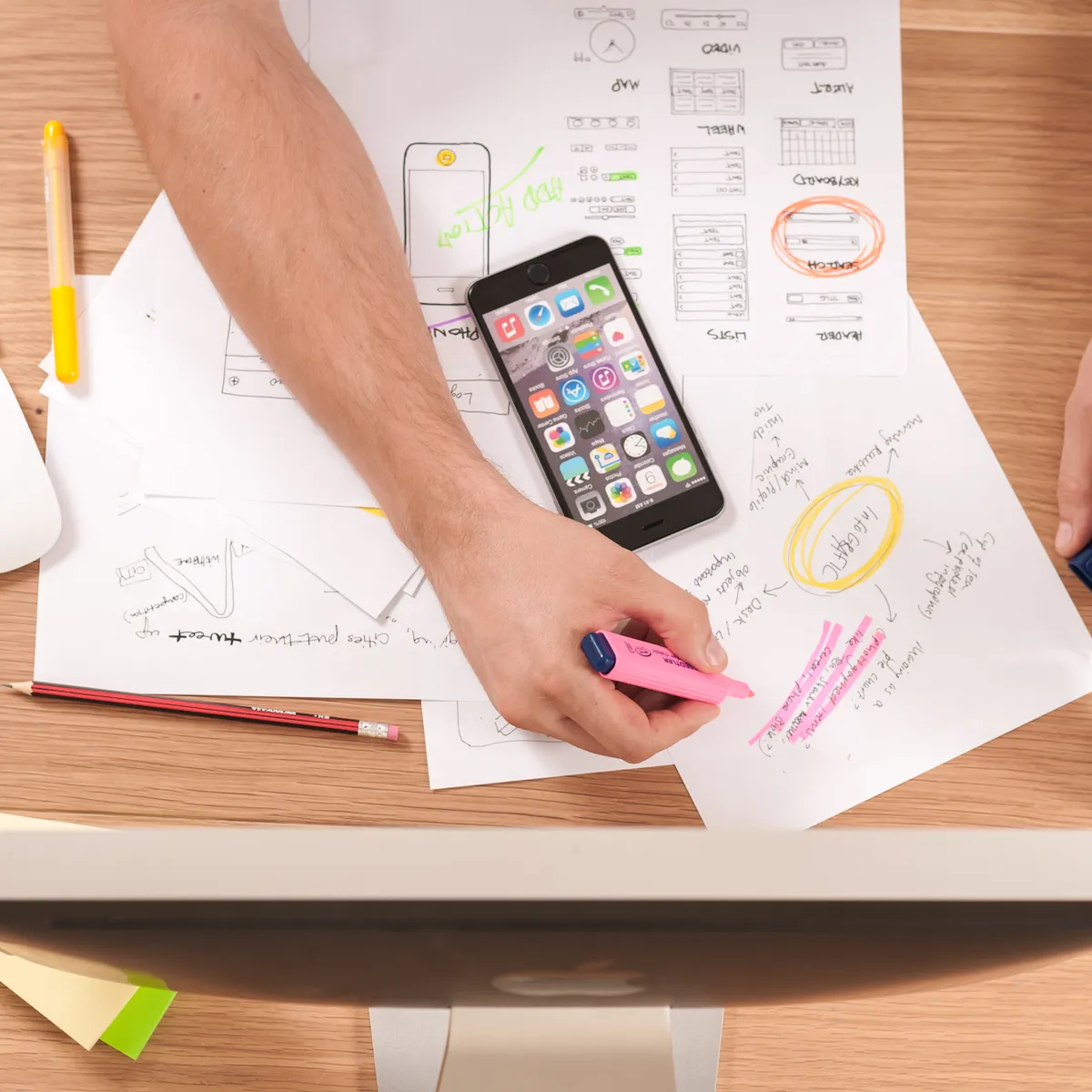
Building an app is a journey with clear stages. Knowing them helps you plan, budget and make decisions at the right time.
1. Discovery
We define the problem, the users, the goals and the success measures. This is the time to decide what the first version must do and what can wait.
2. Research and planning
Study similar apps, list features, order them by value and effort, and agree on a first release. A short, honest list beats a long wish list.
3. UX and flows
Sketch how a person moves through the app: sign-up, finding things, completing the main task. Wireframes let you test the logic before any design is drawn.
4. UI design
Colours, typography, icons and screens come together in a design that matches your brand and feels natural on a phone. A clickable prototype lets you try it before it is built.
5. Development
Engineers build the app and its back end: database, APIs, accounts, notifications and admin tools. Work is shared in short cycles so you see progress regularly.
6. Testing
Test on real devices, different screen sizes and weak connections. Check what happens when something goes wrong, not only when everything works.
7. Launch
Prepare the store listings, screenshots, descriptions and privacy information, and submit to the stores. Review times vary, so allow for them.
8. After launch
Watch crashes, usage and reviews. Plan updates, fix problems quickly and add features based on what people actually do.
How to be a good client
- Name one decision maker.
- Give feedback in rounds, not drip by drip.
- Provide content and brand materials on time.
- Be open to trimming scope to launch sooner.
Ready to start?
We3vision guides you through every stage, from the first sketch to the store. Tell us about your idea and we will outline the steps and a realistic first release.
Frequently asked questions
How long does an app take to build?
A focused first version often takes a few months. Larger products with many features and integrations take longer.
What is an MVP?
A minimum viable product: the smallest version that solves the main problem, so you can learn from real users before building more.
Who owns the code?
You should. Agree ownership and handover of source code, accounts and documentation in writing at the start.